
"Ethiopian green beans"
1000 article(s) found

Overview of Ethiopia Green Coffee beans Why buy Ethiopian Green Coffee beans
Coffee beans in the Yirgacheffe Yegashifi, Sidmao Sidamo, Harrar Hara and Limulim regions are located in the Ethiopian highlands and account for 63 per cent of Africa's contribution to the global supply of raw coffee beans according to regional symbols. Ethiopia has long been coveted for its famous Arabica coffee tree and its aromatic and rich coffee beans. Yirgac of Sidamo province
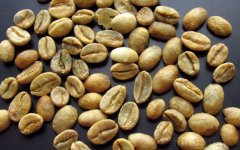
Ethiopian (Ethiopian) Mocha Coffee Green Beans
Ethiopia mocha green bean The home of Arabica coffee, grown at high latitudes, requires a lot of manual care. Here is the famous Ethiopian mocha, which has a similar acidity to wine, aroma, and yield. Ethiopia also looks at its neighbors across the Red Sea

Light cocoa aroma of Ethiopian sidamo Charkiso coffee flavor taste estate production boutique
Ethiopia is rectangular in shape, with a ratio of length to width of 3:2. From top to bottom by green, yellow, red three parallel equal horizontal rectangle composition, flag surface middle has the national emblem pattern. Since the late 19th century, Ethiopia has adopted a green, yellow and red striped flag. Ethiopia was the first African country in modern history to join the ranks of free peoples. [8]this century, and the

Introduction to Ethiopian Coffee Grade
Grade of Ethiopian coffee: Ethiopian washed coffee Yega Chuefei G1 G2 Sidamo (Yirgacheffe, Sidamo) has the highest grades 2 and 3 (G2, G3), while sun-processed coffee in eastern Ethiopia is mostly grade 4 or 5 (G4, G5). In many cases, level 4 coffee is marked as level 5 in order to reduce taxes. At present, the classification is not uniform and there are

Introduction to the flavor and taste of Ethiopian Sidamo Shachiso Coffee with a strong floral flavor.
In July 1991, EGF hosted a national conference with the participation of more than 20 political and ethnic organizations. The meeting adopted the Transitional Charter and elected an 87-member House of Representatives, with EGF Chairman Meles Zenawi as President of the Transitional Government and President of the House of Representatives. A transitional government was established. On May 24, 1993, Eritrea (formerly the province of Eritrea, Ethiopia) adopted

Ethiopian custom of coffee beans
Follow the caf é (Wechat official account vdailycom) found that the beautiful cafe opened its own shop, Ethiopian coffee bean custom exiled to Africa, unexpectedly fell in love with Africa, when wandering to Ethiopia, and fell in love with the coffee here, infatuated with Ethiopian coffee culture, it seems that I am really a strong heart and comfortable person. There are city streets in Ethiopia.

Introduction to the aromatic and mellow Ethiopian Sidamo Chiso Coffee Flavor Manor
Ethiopia is rectangular, with a ratio of length to width of 3:2. From top to bottom, it is composed of green, yellow and red parallel equal horizontal rectangles, with the national emblem in the middle of the flag. Since the end of the 19th century, Ethiopia began to use the green, yellow and red cross-striped national flag. In modern history, Ethiopia is the first African country to join the forest of free nations. [8] to this century

Ethiopian Yega Sheffield Coffee with a rich and attractive fruity flavor
Ethiopia is dominated by mountainous plateaus, mostly subordinate to Ethiopian plateau, the central and western parts are the main plateau, accounting for 2/3 of the whole territory, the Great Rift Valley of East Africa runs through the whole territory, with an average altitude of nearly 3,000 meters, known as the roof of Africa. The terrain around the plateau gradually declines. The Darol depression in the north drops to 113 meters below sea level, the lowest point in the country. The Red Sea coast is a narrow strip of plain
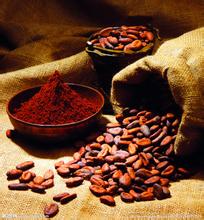
Ethiopian Coffee Culture the Development of Ethiopian Coffee
Ethiopian Coffee has a long History Ethiopian Coffee has a very important history and culture the highest grades of Ethiopian coffee Yega Xuefei G1 G2 Sidamo (Yirgacheffe, Sidamo) are grade 2 and 3 (G2, G3), while sun-processed coffee in eastern Ethiopia is mostly grade 4 or 5 (G4, G5). In many cases, level four coffee is marked as level five.

Qianjie Ethiopian water washed Yega Xuefei coffee beans arichaG1 imported boutique single baking
Factory name: coffee Factory Qianjie Cafe location: Guangzhou Yuexiu District Baoqian Street 10 manufacturer contact Information: 38364473 ingredients Table: self-baking shelf life: 90 net content: 227g packaging: bulk coffee beans ripe degree: whether coffee beans contain sugar: sugar-free origin: Ethiopia baking degree: light roasting Ethiopian Yirgacheffe Aricha G1 Wa

Description of flavor characteristics of Ethiopian coffee beans sharing of water temperature parameters of hand grinding ratio
In the fifties and sixties of this century, many African countries became independent one after another and adopted green, yellow and red as the colors of the national flag, so they were called pan-African colors. Ethiopia is one of the ancient countries in Africa, with a long history of more than 3000 years, giving green, yellow and red colors deeper roots in this land. Calendar

An introduction to the characteristics of the flavor and taste of Ethiopian Yega Sheffield Adordo coffee.
In July 1991, EGF hosted a national conference with the participation of more than 20 political and ethnic organizations. The meeting adopted the Transitional Charter and elected an 87-member House of Representatives, with EGF Chairman Meles Zenawi as President of the Transitional Government and President of the House of Representatives. A transitional government was established. On May 24, 1993, Eritrea (formerly the province of Eritrea, Ethiopia) adopted

Introduction to the characteristics of flavor description of Ethiopian coffee manor with full alcohol thickness
In the fifties and sixties of this century, many African countries became independent one after another and adopted green, yellow and red as the colors of the national flag, so they were called pan-African colors. Ethiopia is one of the ancient countries in Africa, with a long history of more than 3000 years, giving green, yellow and red colors deeper roots in this land. Historically, they are closely related to the liturgy of the Coptic church.

The grade of Ethiopian coffee in Ethiopian coffee producing areas
The grade of Ethiopian coffee: Ethiopian water washed coffee Yega Xuefei, the highest grade of Yirgacheffe and Sidamo may be level 2 or 3 (G2 or G3), and most sun-processed coffee in eastern Ethiopia is grade 4 or 5 (G4, G5). In many cases, level 4 coffee is marked as level 5 in order to reduce taxes. The current classification is not very uniform.
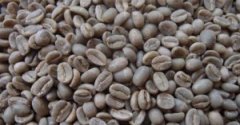
Ethiopian coffee beans, coffee beans
Ethiopia is home to Arabica coffee, and it is in the forests of the Kaffa region that you can see Arabica coffee growing wild. In Ethiopian, coffee is called Bun or Buna, and coffee beans may be translated from Kaffa Bun. Arabica coffee was discovered early in the Harar region, most likely from Karachi.

Lemon Green how to drink Yega Chefe Coffee in Ethiopian Water
Professional coffee knowledge exchange more coffee bean information please follow coffee workshop (Wechat official account cafe_style) coffee? Or flower and fruit tea? If you turn all the coffee beans in Africa into a bouquet of flowers, Yirgacheffe should be the most beautiful and unique flower among them. When it comes to Yega Xuefei, he has to explain his place of origin, Ethiopia. Yega Xuefei is not.
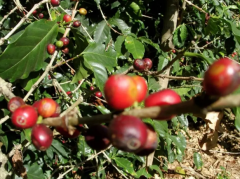
Top Coffee Bean-Ethiopian Double Champion Coffee Bean Aramco Delano Introduction.
TOH, the full name of the African Harvest Coffee Competition, is called the Double Champion. As the name implies, it means that you have won both the National Competition and the African Regional Finals. In the 2019/20 Ethiopian National, Amerilalo won first place and then emerged from the top of the African Regional Finals as a double winner. The winner, this coffee.
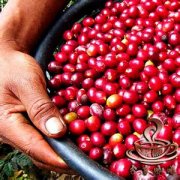
Fresh and Bright Ethiopian Coffee Estate Fine Coffee Flavor Characteristics Description
Ethiopia's Yirgacheffe coffee is petite, but gentle and sweet. As the home of coffee, Ethiopia's millennia of growing and processing traditions have resulted in high-quality washed Arabica beans. Light baked with unique lemon, floral and honey sweet aromas, soft fruit acids and citrus notes, fresh and bright taste. not

Flavor characteristics of Ethiopian Fine Coffee Ethiopian Coffee
Ethiopia is the hometown of Arabica coffee, and it is in the forests of Kaffa that you can see wild Arabica coffee. In Ethiopian, coffee is called Bun or Buna, and coffee beans (coffeebean) may be translated from Kaffa Bun. Arabica coffee was discovered early in the Harald area, probably from Kafa.

Ethiopian Coffee introduction Coffee beans Coffee processing Coffee Flavor Ethiopian Coffee details
Ethiopia is the hometown of Arabica coffee, and it is in the forests of Kaffa that you can see wild Arabica coffee. In Ethiopian, coffee is called Bun or Buna, and coffee beans (coffeebean) may be translated from Kaffa Bun. Arabica coffee was discovered early in the Harald area, probably from Kafa.